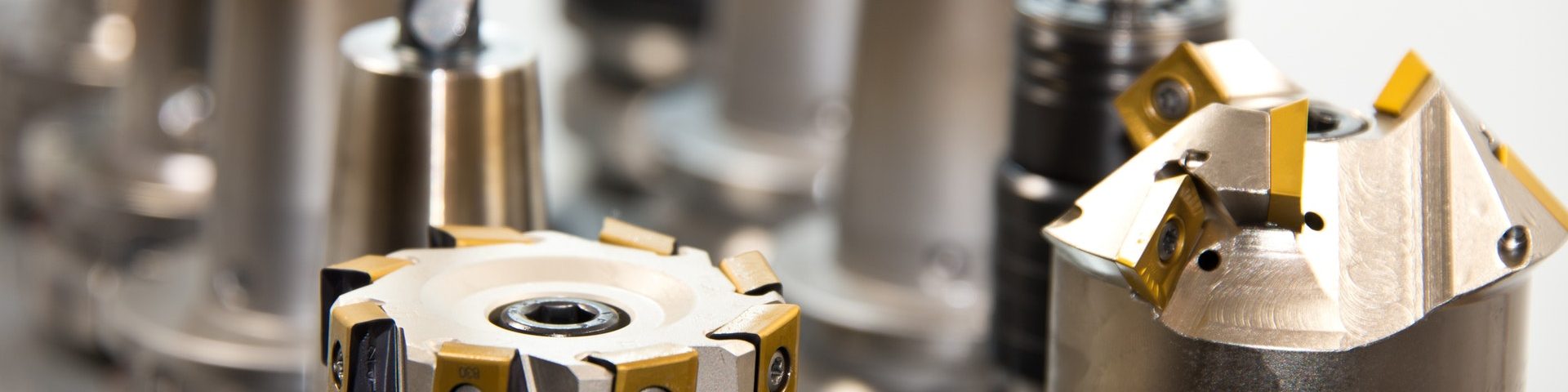
Lubricants, and in particular metal-cutting fluids, are used in all processes where metal is machined. They serve to reduce heat generation (due to metalworking) through cooling and lubrication, to remove metal shavings and to protect against corrosion.
In practice, aqueous cutting fluids are subject to microbial contamination.
The pollution encountered has various origins:
- impurity of dilution water already containing bacteria
- dust and dirt deposits on workpieces
- transmission of germs when handling parts
- food and beverage scraps
- fillings and shot forming sedimentations in pipes and tanks
- high temperature for the growth of germs in plants and machines
- design of installations and operation of cooling systems
Soiling of any kind activates the multiplication of micro-organisms.
Theabsence of oxygen during weekly closures encourages the development of anaerobic bacteria, fungi and yeasts, in particular desulfo-vibrio bacteria known as "black rot", which produce hydrogen sulfide. They are the cause of the characteristic "Monday morning" stench. While aeration reduces their growth, total inhibition can only be achieved by adding a dose of bactericide before closing on weekends.(ORGANCIDE 14 and ORGANCIDE OX)
On the other hand, aeration activates the growth of aerobic bacteria. Their odor is less perceptible and fluid color changes little.
Fungi and yeasts appear in the form of viscous, sometimes solid deposits, films or membranes in suspension. They cause blockages in pipes and filters. Along with a large number of bacterial species, they lower pH levels.
These contaminations have significant effects on metalworking fluids: there will be economic repercussions on the price of cutting fluids, to which must be added the cost of production stoppages and cleaning, which are not negligible.
To avoid these problems, cutting fluids need to be regularly tested and, depending on the results, treated with a biocide.
For these different tests, you can refer to our MICROTEST range: we use MICROTEST A to detect the presence of different types of micro-organisms (aerobic and anaerobic reducing bacteria, fungi, yeasts) and MICROTEST SR to detect sulfate-reducing bacteria.
Our laboratory can also carry out Petri dish analyses of cutting fluids in service.
Biocides can be incorporated into cutting fluids or added directly to tanks.