France Organo-Chimique: our expertise at your service
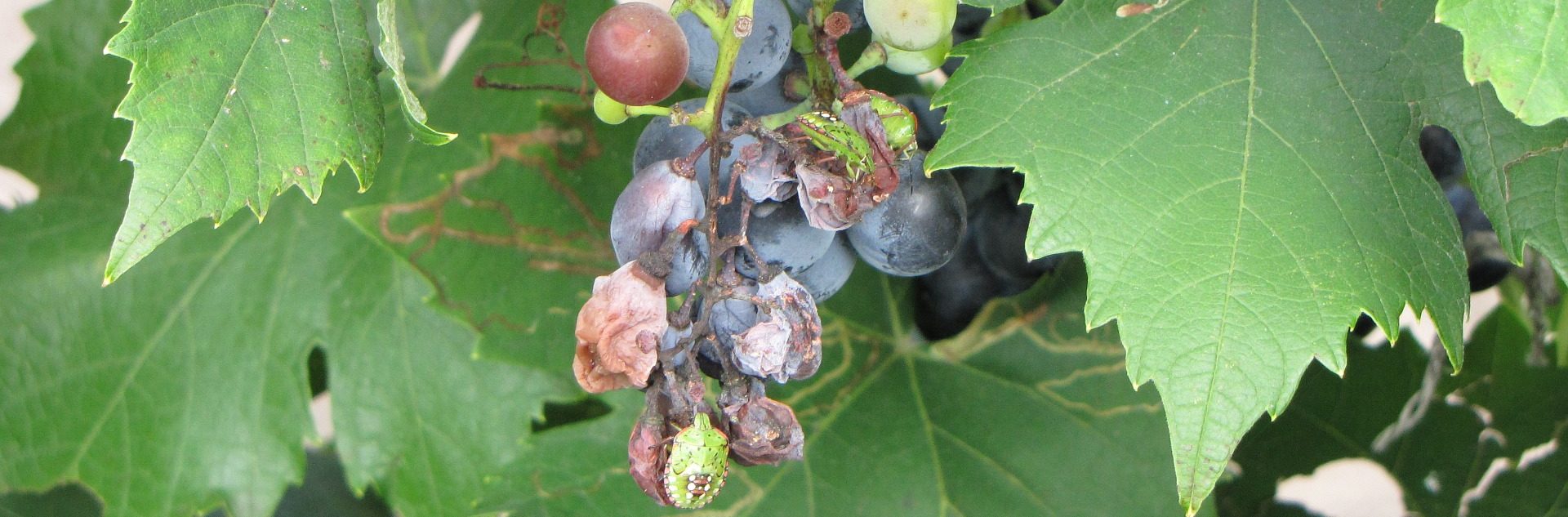
The invasion of micro-organisms on a material leads to two phenomena: either unintentional biodeterioration, which reduces the value of a good; or biodegradation, which is rather a voluntary degradation.
Biodeterioration is the ability of substances and materials to be broken down by the enzymatic activity of microorganisms. If the process is complete, conversion results in the production of simple molecules such as water, carbon dioxide and methane. Biodeterioration is part of the natural cycle of life on earth, centred on the carbon cycle, as shown in the diagram below.
Organic wastes resulting from human activities can be disposed of by the biodegradation process.
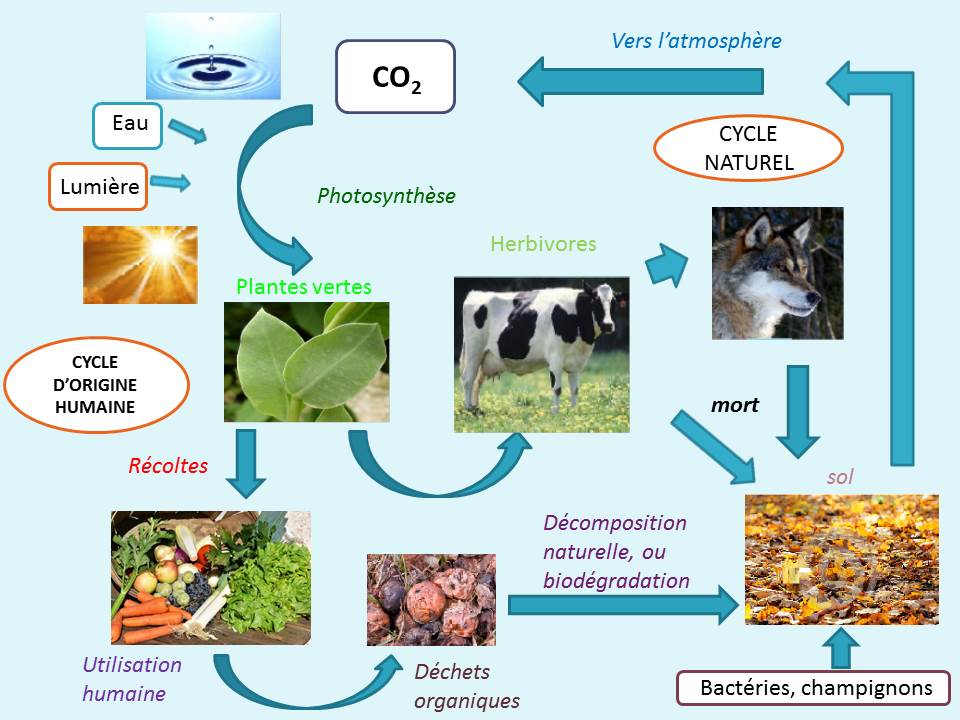
Each organic waste has its own biodegradation time: wood, for example, degrades more slowly than cellulose. To degrade, a product needs to be in contact with micro-organisms and in favorable conditions: in a warm, humid environment, the process is faster than in a dry, cold one.
Areas affected by biodegradation
- Composting: to obtain a mature compost (fertilizer).
- Anaerobic digestion: organic matter is fed into a digester in the absence of oxygen. They are stirred while heating, which produces biogas composed mainly of methane.
- Biodegradable plastics
Areas affected by biodeterioration
Many industrial areas are affected by biodeterioration, particularly in:
- fuels
- lubricants
- cooling water
- cultural goods
- the paintings
- wood
- facades and roofs
- metals
- cosmetic products
- pharmaceuticals
There are many other materials subject to biodeterioration:
- leathers,
- recreational waters
- polymer dispersions
- plastics
- pulp and paper
- textiles...